greenrealestateeducation.com
What a More Resilient Home Energy Plan Looks Like in New Hampshire
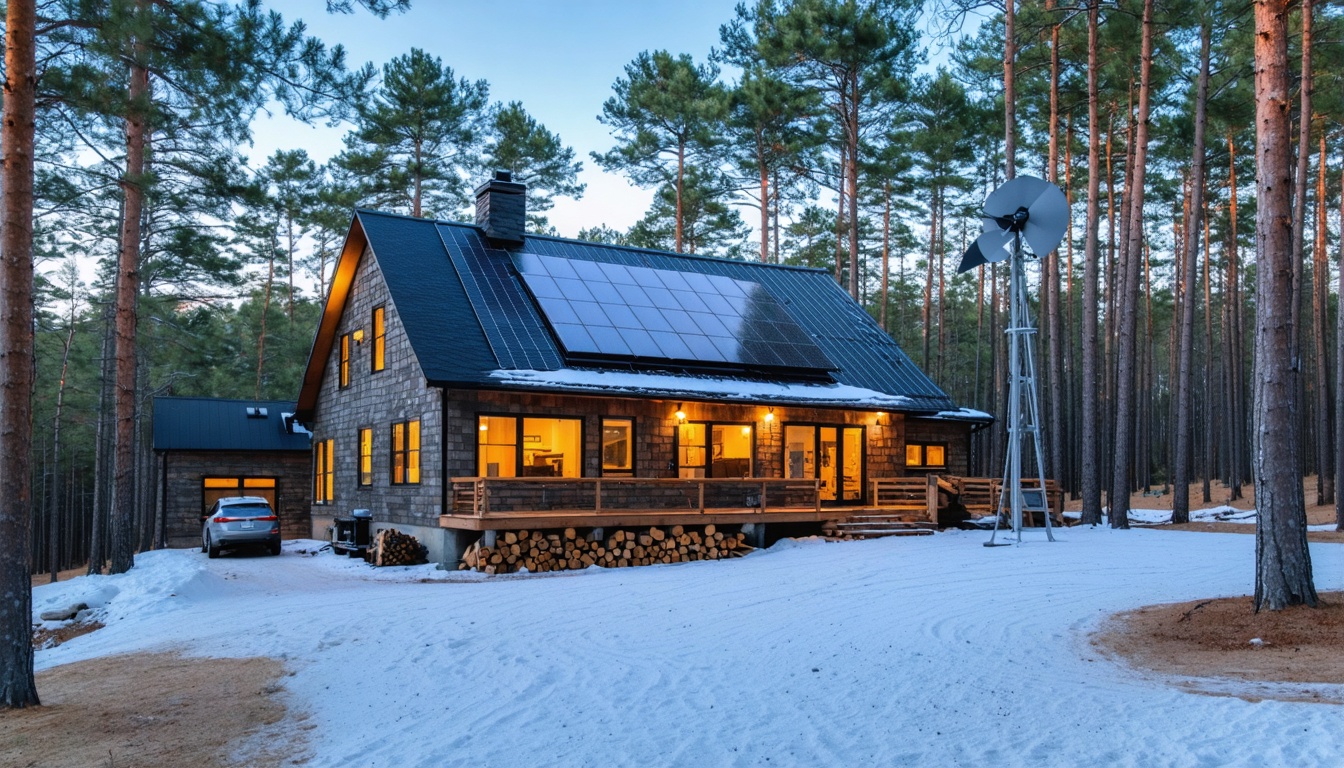
What a More Resilient Home Energy Plan Looks Like in New Hampshire
Living in New Hampshire means navigating energy costs and changing weather patterns, which can impact your home's stability. A resilient home energy plan is designed not only to reduce energy expenses but also to enhance comfort and maintain control throughout the year. To develop a more resilient energy strategy, homeowners can explore state programs that incentivize energy efficiency and renewable energy solutions. Technologies such as smart thermostats, energy-efficient appliances, and solar panels can significantly influence your energy consumption patterns. Key components of a resilient plan include: 1. **Energy Efficiency Improvements**: Upgrading insulation, sealing drafts, and employing energy-efficient windows can reduce heating and cooling needs. 2. **Renewable Energy Sources**: Integrating solar power can provide a more reliable energy supply while potentially lowering long-term costs. 3. **Energy Storage Systems**: Battery storage can help residents manage energy use more effectively, especially during peak demand times or outages. 4. **Home Energy Management**: Utilizing smart home technology can optimize energy use and provide real-time data, helping households make informed decisions. By systematically evaluating these elements, homeowners can create a strategy that not only addresses current energy challenges but also prepares for future uncertainties.
Addressing High Energy Costs and Market Barriers
High energy costs are a significant concern for residents in New Hampshire, especially in rural areas and among low- to moderate-income households. Individuals whose incomes are below the state median may be eligible for various financial support programs that assist with home improvements, including upgrades for insulation and energy efficiency.
Implementing energy efficiency measures, such as air sealing, upgrading heating and cooling systems, and converting to alternative fuel sources like Solar Panels in New Hampshire, can lead to reduced energy expenses. Interested individuals should gather detailed information about existing programs, confirm their eligibility, and understand the services offered.
Various stakeholders, including gas utilities, real estate agents, and organizations involved in issuing requests for proposals, can contribute to facilitating necessary building upgrades while ensuring compliance with safety standards.
It is advisable for individuals to review frequently asked questions and the policies related to rights reserved prior to engaging with any program or service.
Privacy is a critical aspect of these initiatives, and safeguards are in place to protect personal data during participation in these programs.
Overview of Statewide Energy Efficiency Programs
In New Hampshire, a comprehensive network of statewide energy efficiency programs exists to support both residents and businesses in reducing energy consumption and costs. The NHSaves program offers financial incentives for measures such as insulation, air sealing, and upgrades to heating and cooling systems. These incentives are available based on income levels and specific eligibility criteria.
The collaboration between electric and gas utility companies plays a crucial role in these initiatives, which are designed to improve residential energy efficiency, ensure building safety, and promote the use of alternative fuel sources.
Individuals seeking to understand their eligibility relative to the State Median can access Information and Verification Services for guidance.
For further details, individuals are encouraged to submit inquiries, review frequently asked questions, or explore Requests for Proposals.
Additionally, resources related to real estate in New Hampshire are available. It is important to note that all content and resources are protected by copyright, and users are advised to consult the Privacy Policy linked to these programs.
Legislative Progress and Future Opportunities
New Hampshire's legislature has recently passed SB4, which aims to enhance energy efficiency within the state while addressing affordability and resilience. This legislation establishes a framework for improving energy standards, signaling a shift towards more sustainable practices.
Homeowners in New Hampshire may benefit from the upcoming NHSaves program cycle, which is set to offer new financial incentives that are linked to federal rebates. Through this program, residents could receive assistance for various home improvements, which may include upgrading insulation, sealing, heating and cooling systems, and converting fuel sources.
The legislative goals include expanding access to essential energy services and improving safety and efficiency metrics to exceed the state median.
It is important for residents to stay informed about these initiatives and to consult available resources, such as frequently asked questions, to understand eligibility requirements and program details.
Homeowners seeking clarification on their eligibility or those with inquiries regarding Requests for Proposals are advised to reach out to the appropriate channels for further assistance.
Strategies for Engaging the Public and Contractors
To facilitate the effective distribution of energy efficiency initiatives across New Hampshire communities, it is important to apply strategic engagement methods that involve both the public and contractors. This strategy includes the establishment of a comprehensive contractor network, supported by collaborative efforts, legislative backing, and incentive programs designed to encourage participation.
A critical aspect of this initiative is ensuring that the public has access to clear information regarding available assistance and upgrades. Providing straightforward guidelines on the application process is essential. This not only includes simplifying the application verification process but also offering accessible channels for inquiries and support.
Establishing trust within the community is important and can be achieved by addressing common questions and outlining the eligibility criteria for various improvement programs and services. Transparency in these communications is foundational for building this trust.
In addition, leveraging the expertise of gas utilities along with the use of Requests for Proposals (RFPs) can broaden the scope of energy efficiency projects.
These efforts should prioritize elements such as insulation, sealing, heating, and cooling systems, alongside income-based programs aimed at enhancing safety and operational efficiency. Implementing these strategies is vital for fostering the widespread adoption of energy efficiency measures throughout New Hampshire.
Home Energy Audit and Incentive Options
Enhancing the energy efficiency and financial efficiency of residential properties can be accomplished through various energy audit and incentive options available in New Hampshire. Eversource-approved contractors offer energy audits that assess a home’s energy consumption and pinpoint areas of inefficiency. The outcomes of these audits typically include recommendations for improvements such as enhanced insulation and air sealing, which can potentially lead to reductions in energy expenses.
In conjunction with identifying necessary enhancements, several financial incentive programs are in place. Homeowners may be eligible for incentives reaching up to $6,000 for energy-related upgrades or for 0% interest loans aimed specifically at upgrading heating and cooling systems.
Additionally, individuals or families whose income is at or below the State Median may qualify for further financial support.
For more detailed information on these programs, it is advisable for individuals to reach out to the relevant authorities or review the frequently asked questions section to ensure understanding of the eligibility criteria and application procedures.
Weatherization Assistance and Related Initiatives
The Weatherization Assistance Program (WAP) aims to improve energy efficiency in residential homes in New Hampshire, primarily targeting low-income households. Eligibility criteria for the program state that households must have income levels at or below 60% of the State Median Income.
Qualifying participants can access various energy-saving upgrades, including insulation and air sealing, through local Community Action Agencies.
The process begins with building audits and an eligibility verification, followed by the dissemination of information about available incentives or additional assistance programs, which may cover fuel or heating and cooling requirements.
The main goals of these energy efficiency improvements are to enhance heat retention within homes, improve safety for residents, and ultimately reduce overall energy expenses.
For additional information, frequently asked questions (FAQs), or assistance, individuals can visit official New Hampshire energy-related websites. All rights concerning this information are reserved.
Key Recommendations for Strengthening Energy Resilience
To enhance the resilience of home energy systems in New Hampshire, it is important to implement targeted investments and policy measures. Key focus areas include improving insulation, air sealing, and upgrading heating and cooling systems. Verification of eligibility criteria is recommended, especially for households with incomes at or below the state median.
Homeowners can access financial incentives and assistance through the NHSaves program, which is designed to support energy improvements. Such upgrades are often linked to lower fuel costs and improved safety in residential environments.
Additionally, developing strong contractor networks and promoting workforce development initiatives are essential for efficient service delivery in the energy sector.
Homeowners seeking further information on assistance programs may find it beneficial to review frequently asked questions and consult local gas utilities.
It is also pertinent to consider relevant Requests for Proposals and the Privacy Policy governing service provisions in order to understand the rights and obligations involved.
Conclusion
Establishing a resilient home energy plan can lead to cost reductions, increased reliability, and positive impacts on New Hampshire's local economy. Homeowners can utilize available state programs and remain informed about new incentives to enhance their energy efficiency. Engaging with community resources may also contribute to securing a stable energy future for residences. Practical measures such as conducting energy audits, implementing weatherization techniques, and investing in energy-efficient appliances can collectively improve overall energy performance. Taking action now enables homeowners to address current energy concerns while also preparing for future challenges in the energy landscape. A focus on resilience at the household level can aid in achieving long-term energy sustainability.



Take a Course Online!
Testimonials
Good Green Tips
google ads
- Mark Farrell
- Test
- New Team Members coming!
- Contact Us
- Become a Green Certified Real Estate Professional
- Greening Your Government Level One Green Leadership


